Wed 02 Sep 2026
1. What's the most powerful shift you've witnessed when civil servants find the courage to lead authentically on diversity & inclusion?
I didn't become a governor because of a title — I was a forensic psychologist who built a therapeutic unit from nothing, and the leadership caught up with me before the grade did. The shift I see in others is the same: the moment you stop treating leadership as something assigned to your role and start growing into it as who you are, that's leadership in its essence — your brain stops performing the part and starts being it.
2. As the youngest ever female Muslim Prison Governor, what's the biggest personal insight you gained about female leadership?
The very things people celebrated as my firsts — my age, my gender, my faith — were actually my biggest challenges; being first at anything means the room hasn't built space for you yet, so you're doing the job and building the space at the same time. Leadership is a learning arc, not a highlight reel — mistakes, doubt and second-guessing are how you actually learn it, not evidence you're getting it wrong.
3. What changes in how a woman shows up as a leader when she steps into her full potential?
She stops commanding authority and simply is authority. I learned that governing a wing — rank alone never once kept a room calm; what settled it was presence, not position, and that's exactly what changes when a woman leads from who she is rather than the title she's been given.
4. Your advisory work on Grenfell and Windrush put you at the centre of some of the country's most complex, sensitive crises — what's the key lesson for Women into Leadership 2026 delegates on leading at that level?
There's no textbook for sitting across from a Grenfell family, or being in the room during Windrush — you can't out-strategise grief. What I learned is that crisis leadership means synchronising your three brains, head, heart and instinct, and leading with listening and empathy before you lead with answers; staying regulated yourself is often the only thing stopping the room from following your panic instead of your judgement.
5. What do you want early-career women in the Civil Service to know about their own leadership potential, to support the journey to becoming future senior leaders?
You cannot outperform your self-image — you are the product of your lived experience, the good, the bad and the ugly, not the polished CV version of yourself. Potential isn't proven by waiting for the next promotion; it's already there in the decisions you've been making all along, and self-image, not skill, is usually the ceiling — which is exactly why it can be rewired.
6. In one word: what's the key skill delegates will take from your Women into Leadership 2026 session? What makes it essential?
Rewiring. I spent years watching capable women stall — not for lack of skill, but because the patterns running them, self-doubt, over-performing, shrinking, had become so automatic they mistook them for personality; delegates leave knowing those patterns are wiring, and wiring can be disrupted, dismantled and rebuilt.
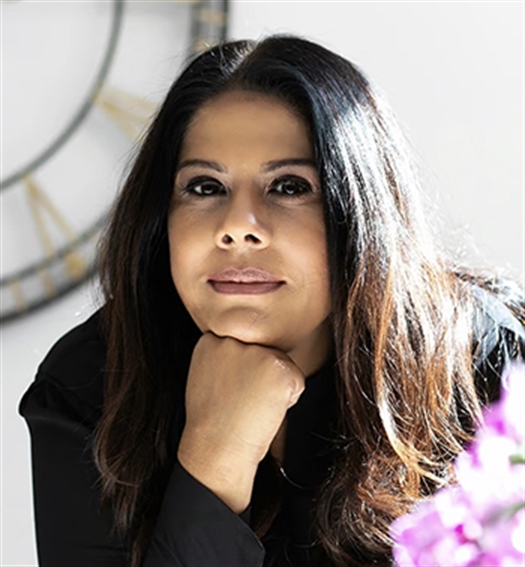
Our thanks to Saj for speaking with the Total Events team
Upcoming events
View all news